

A major new law aimed at improving the lives of care-experienced people across Scotland has been passed by MSPs, with a Renfrewshire politician at the centre of the changes.
The Children (Care, Care Experience and Services Planning) (Scotland) Bill was approved in a final Stage 3 vote at the Scottish Parliament on Thursday 19th March 2026.
The legislation is designed to help deliver ‘the Promise’ — Scotland’s commitment to reform the care system following an independent review shaped by more than 5,500 people with experience of care.
It introduces a lifelong right to advocacy for care-experienced people, meaning individuals will have support to ensure their voices are heard in decisions affecting their lives.
The Bill also expands aftercare support. Support currently available to 16 to 26-year-olds who were in care on their 16th birthday will now be extended to those who left care earlier, including help with accommodation, education, employment and wellbeing.
Reforms to the Children’s Hearings System are also included. These will see paid panel chairs introduced to reduce delays and improve capacity, with the aim of making the system more responsive to children and families.
Residential childcare providers will be required to provide financial information to Scottish Ministers, while a new Residential Childcare Futures Reference Group will be created to examine issues including profit in the sector and future regulation.
Support for kinship carers has also been strengthened following amendments to the Bill, including improved access to financial, practical and advocacy support through local authority assessments.
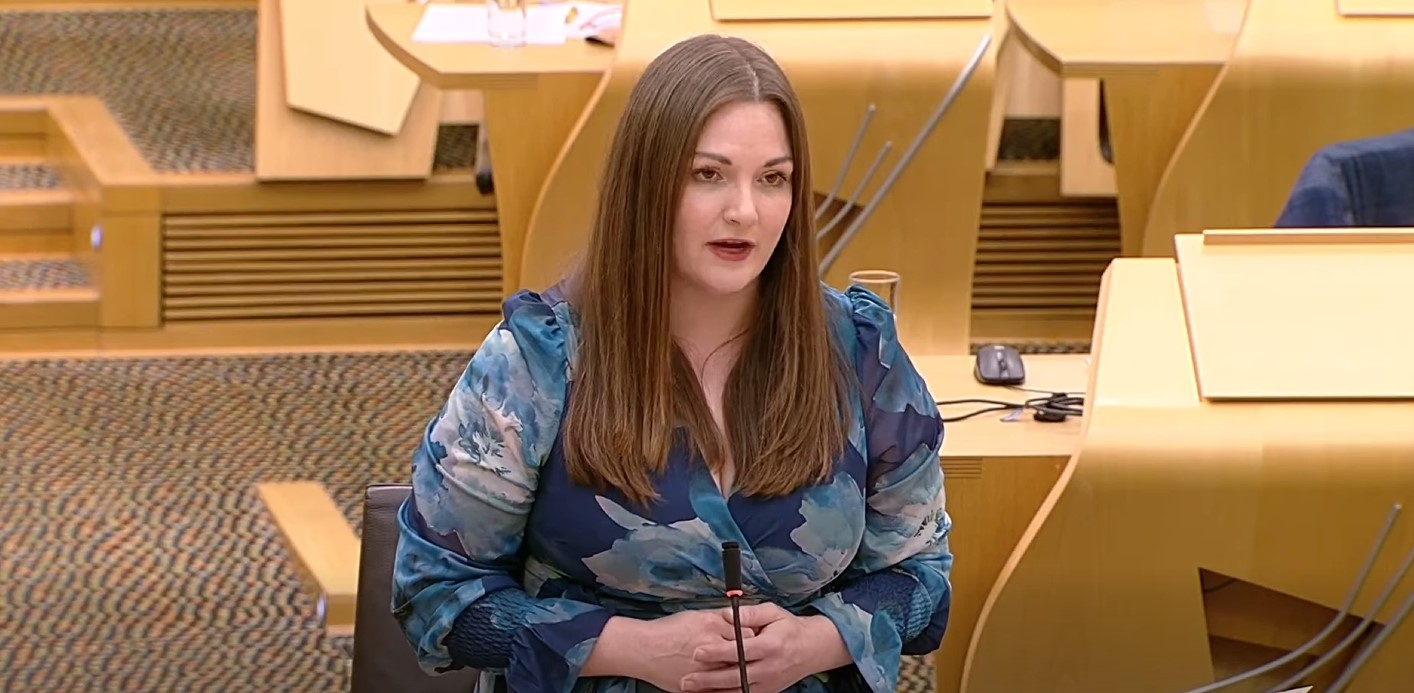
The legislation was led by Natalie Don-Innes, Minister for Children, Young People and The Promise, who represents Renfrewshire North and West.
Speaking after the vote, she said: “This legislation will deliver a very strong package of further change that will help improve the lives of people across Scotland with care experience and those who care for them. It represents a significant milestone and will accelerate progress towards keeping the Promise.
“I am grateful to everyone across the care-experienced community who helped to shape the Bill, and to MSPs across the Parliament whose engagement has resulted in a legislative package that will help greatly improve the support available.”
During her speech in Parliament, she said: “No law can achieve such an ambition on its own, but it can create the conditions, the support and the services that make it possible.
“We promised that children would be listened to and meaningfully and appropriately involved in all decisions about their care.”
On reforms, she told MSPs: “We are making changes to the children’s hearings system to make it more child-centred and rights-respecting.
“We promised that where children are safe, loved and supported in their families, they should stay.
“We are strengthening support for kinship carers and making family group decision making more consistently available.”
She also spoke about long-term care. She said: “Where living with family is not possible, children should stay with their brothers and sisters where it is safe to do so and belong to a loving home for as long as they need.”
She added: “We are creating a new system of aftercare, offering advice, guidance and support during the critical years.
“We are strengthening children’s services planning and accountability.”
Speaking more personally, she said: “One of the most meaningful parts of this role has been meeting young people with care experience, and I am truly grateful to every one of you who gave me your time.”
She added: “You were never afraid to challenge me… Listening to your experiences of loneliness, anxiety, distrust and struggle stayed with me.”
The Bill is a key part of the Scottish Government’s wider programme to reform care services and aims to ensure children grow up “loved, safe and respected”.
Work will now move to implementation, with the Scottish Government working alongside councils and organisations across the country as part of its commitment to keep the Promise by 2030.