

As clocks go back this weekend, Paisley’s historic connection to timekeeping offers an explanation for why the town’s own ‘Paisley time’ runs more than 17 minutes behind Greenwich.
Based on its position west of Greenwich, Paisley’s local mean solar time is 17 minutes and 43 seconds behind Greenwich Mean Time (GMT).
The difference reflects how communities once measured time using the sun, before a national standard brought clocks into line.
Paisley follows the same official time as the rest of the UK. Clocks will go back one hour at 2am on Sunday 25 October, marking the end of British Summer Time.
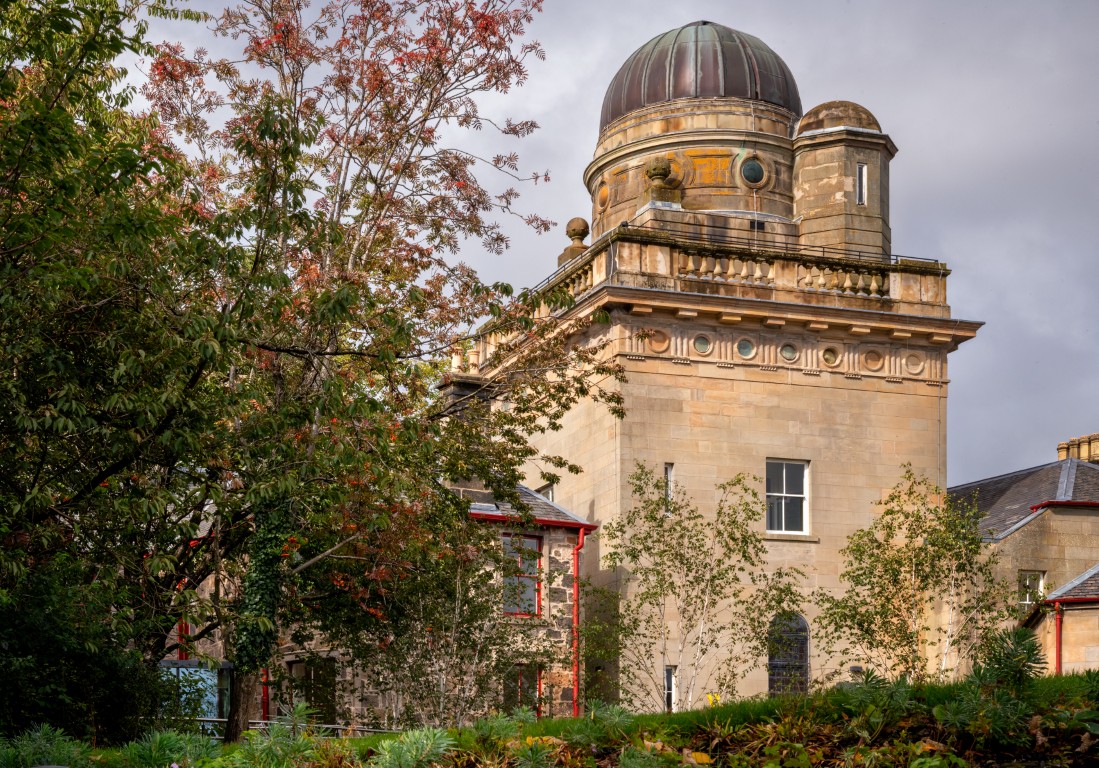
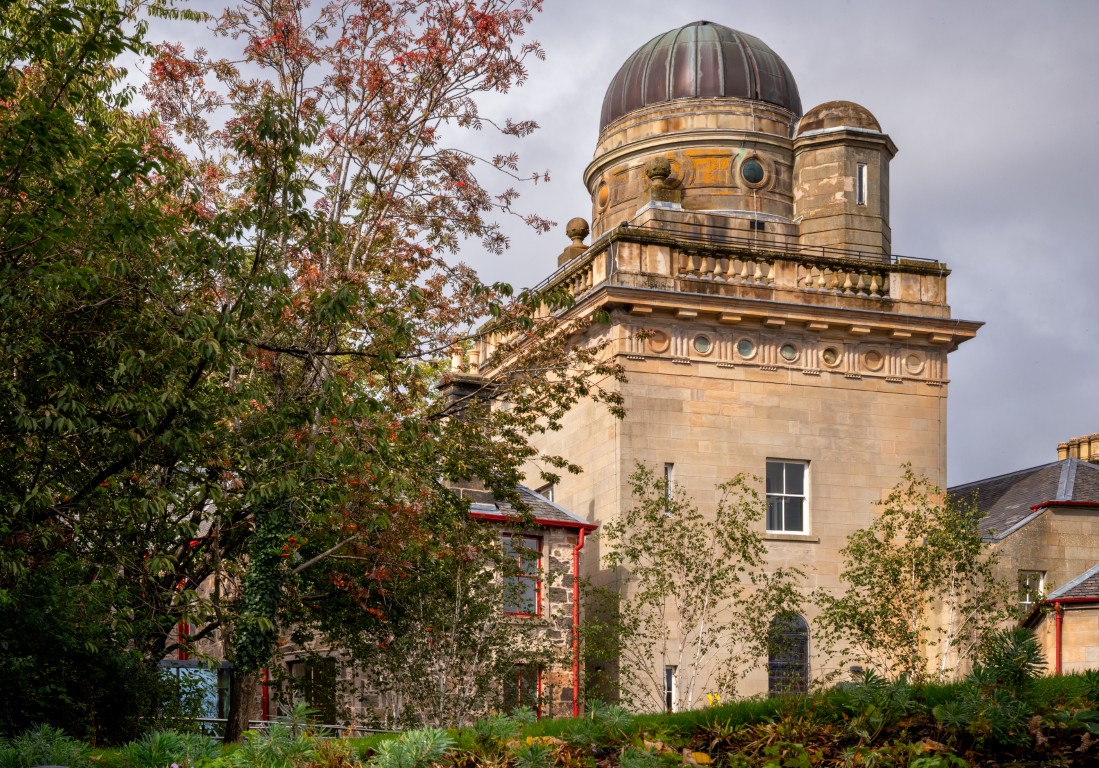
However, the story of ‘Paisley time’ reveals the important role Coats Observatory played in keeping the town’s clocks accurate.
Before standardised time became widespread, communities kept their own local time based on the sun. As places further west experience solar noon later than those to the east, their local time differed.
Paisley lies around 4.43 degrees west of Greenwich, accounting for the difference of almost 18 minutes.
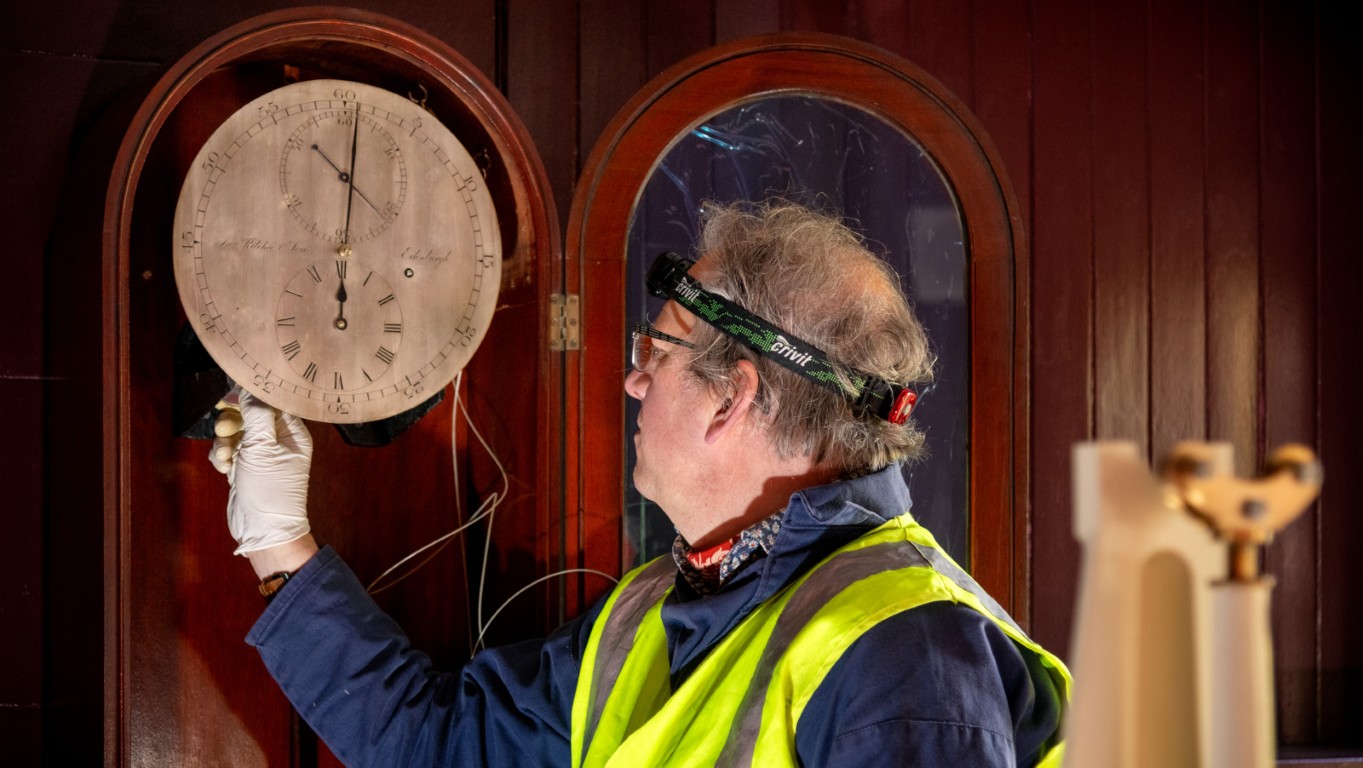
When businessman Thomas Coats helped establish Coats Observatory, he also purchased a transit telescope and three precision clocks: two sidereal clocks and a mean-time clock.
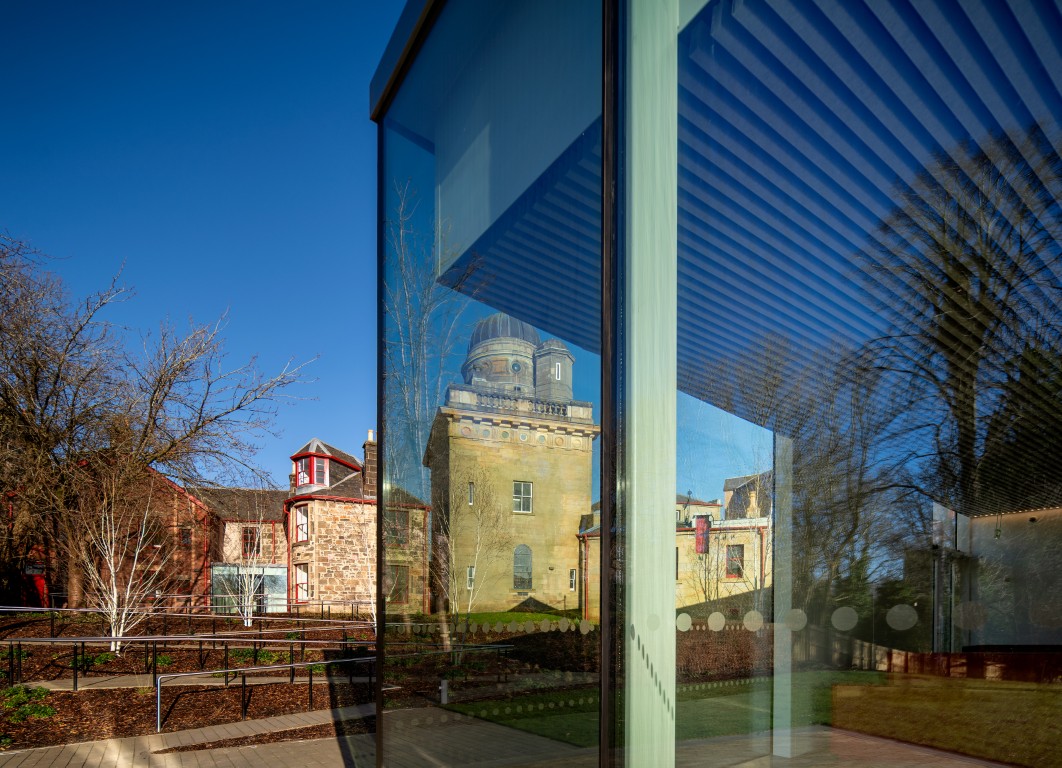
The instruments were housed in a separate building beside the observatory tower, known as Transit House. Staff there recorded and monitored time for the town.
Transit House takes its name from the process of observing the precise moment a star crosses, or ‘transits’, the meridian line.
Its telescope was permanently aligned with that line. By observing stars with known positions, staff could check the accuracy of the sidereal clocks.
Sidereal time, also known as ‘star time’, is based on the Earth’s rotation relative to distant stars. These observations could be converted into GMT, providing an accurate way to set clocks for everyday use.
John Pressly, Curator of Science at Paisley Museum, said: “The inclusion of Transit House to Coats Observatory shows the scientific ambitions that Thomas Coats and the Paisley Philosophical Institution had for the town. The sidereal clock enables the telescope to be set up to view the wonders of the night sky using just their co-ordinates, meaning very distant objects not visible to the eye could be located and viewed at leisure. It also meant that the position of any astronomical discoveries could be recorded to allow other observatories across the globe to verify and study this new object.”
The growth of the railways during the 19th century created a need for a common time across the country, with ‘Railway Time’ based on Greenwich replacing the patchwork of local times.
Coats Observatory became a source of GMT for public clocks across Paisley.
The Town Hall clock was connected in late 1884, followed by a clock in the Liberal Club in 1887. In the early 1900s, the system also served clocks in the counting house at Ferguslie Thread Works and the gatehouse at Anchor Mill.
A signal was sent every 30 minutes from the main GMT clock in Transit House to the connected clocks, keeping their pendulums in step and helping them maintain accurate time.
Transit House will form part of the transformed Paisley Museum campus when it reopens to the public in early 2027.
The redevelopment is being delivered by Renfrewshire Council in collaboration with OneRen, with a design by architects AL_A and construction by Kier.
The museum is expected to attract more than 127,000 visitors each year, with displays featuring its collections and stories developed with communities.
Funding has come from Renfrewshire Council, with additional support from the National Lottery Heritage Fund, Historic Environment Scotland, the Scottish Government and private fundraising.
For more information, visit www.paisleymuseum.org.