


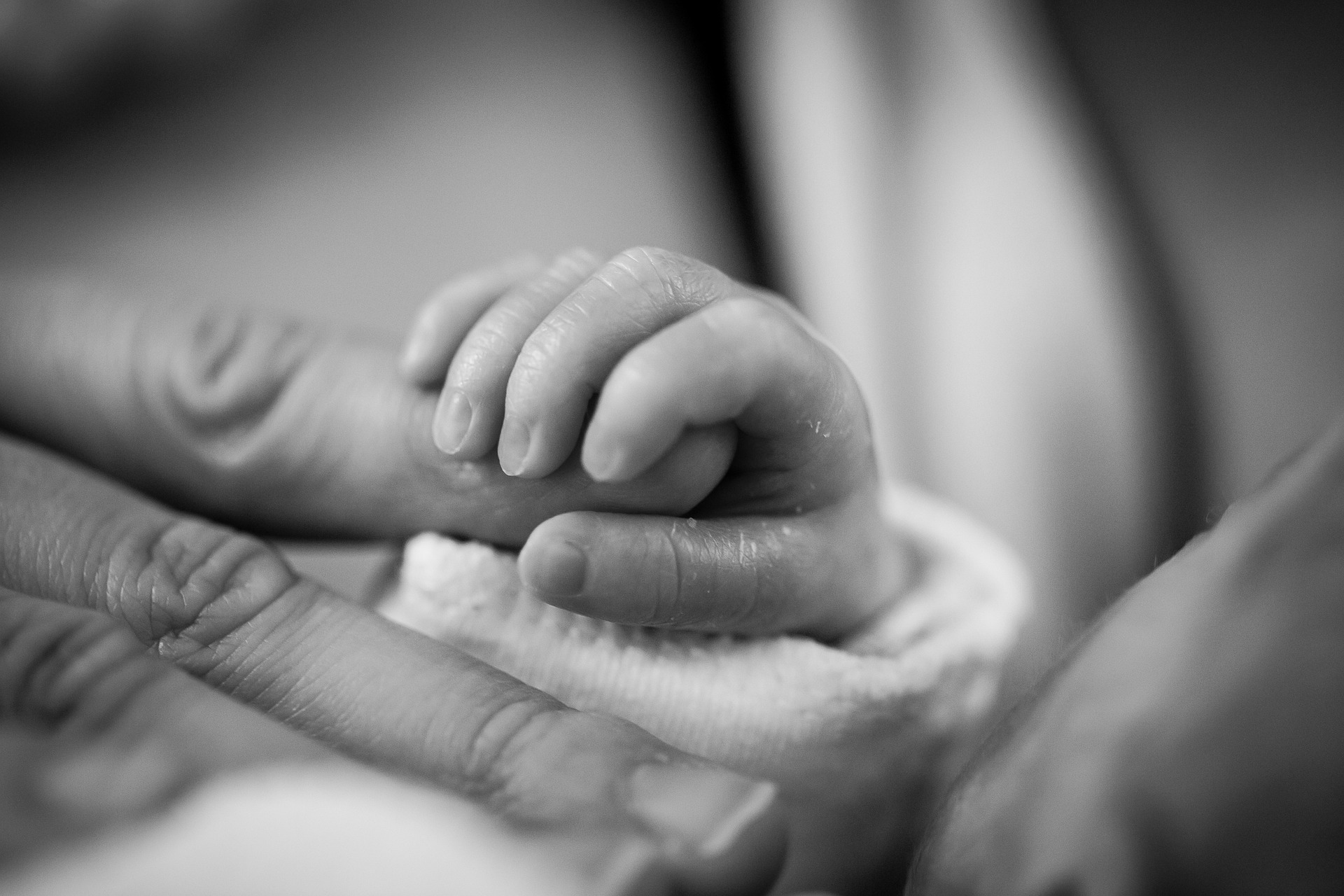
Scotland recorded fewer births than expected during the first three months of 2026, while the infant mortality rate reached its highest quarterly level in more than a decade, according to new figures.
Statistics published by National Records of Scotland show 11,347 births were registered between January and March, 2.6% below the average for the first quarter of the year.
There were 16,382 deaths recorded during the same period, 6.5% lower than the expected figure of 17,527.
Cancer, respiratory diseases, and Alzheimer’s disease and other dementias remained the leading causes of death.
The number of deaths involving influenza fell sharply compared with the same period last year. A total of 170 influenza-related deaths were recorded in the first quarter of 2026, down from 439 during the first three months of 2025.
National Records of Scotland head of vital events statistics, Phillipa Haxton, said: “The number of deaths from influenza was less than half of the number in the same period of 2025 when there were 439 deaths. These figures reflect the earlier peak to the influenza season in 2025-26 compared to the previous winter.”
The report also showed there were 51 infant deaths during the quarter, giving a rate of 4.5 per 1,000 live births.
This was higher than the first-quarter average of 41 deaths and represents the joint highest quarterly infant mortality rate since the final quarter of 2011.
Despite the increase, National Records of Scotland said the long-term trend remains one of declining infant mortality, although rates have risen slightly over the past five years.
There were 37 stillbirths recorded between January and March, equating to 3.3 per 1,000 live and still births. This was the second-lowest first-quarter stillbirth rate recorded in the past decade.
Marriage numbers also increased slightly. A total of 3,310 marriages were registered during the quarter, 2.2% above the first-quarter average of 3,240.
Of those marriages, 122 were same-sex marriages, accounting for 3.7% of all marriages registered during the period.
Has anyone in Scotland looked at the link between incinerator emissions and infant mortality?
https://www.irvinetimes.com/news/23444782.irvine-incinerator-plans-oppisition-growing-oldhall-waste-plant/
Dr Harry Burns, Chief Medical Officer for Scotland declined to look at the link in 2008, as reported by Inside Croydon on 15 October 2024:
https://insidecroydon.com/2024/10/15/health-agencies-ignored-publics-concerns-on-incinerator/
Here’s the first of around forty graphs Ive repared using ONS data and showing post-incinerator rises in infant mortality in Councils exposed to emissions:
https://ukhr.eu/incineration/selchp.htm
More info at https://ukhr.eu/
It’s all about exposure to toxic air pollution and that’s why there was a spike in Corby’s infant death rate during the notorious steelworks “clean-up” as reported by Sarah Ward in NN Journal on 15 November 2025:
Saturday brief: Baby deaths in Corby rose during the steelworks reclamation
Unearthed data analysed by air pollution campaigner Michael Ryan has revealed the startling new evidence
NN Journal
Nov 15, 2025
https://www.nnjournal.co.uk/p/saturday-brief-baby-deaths-in-corby
And by Emily Dugan in Sunday Times, 16 November 2025:
Is Corby a toxic town? Families will finally find out the truth
North Northamptonshire council has promised to investigate where toxic waste from the steelworks was dumped as statistics reveal a spike in infant mortality
https://www.thetimes.com/uk/healthcare/article/is-corby-a-toxic-town-families-will-finally-find-out-the-truth-l92zpdsjs
More info in my November 2017 submission to the EFRA Committee:
Written evidence submitted by Michael Ryan (IAQ0178)
“How effectively do Government policies take into account the health and environmental impacts of poor air quality?”
No government policy will be effective on the above unless and until expert advisers cease claiming that lower socioeconomic status (SES) causes higher rates of illness and higher rates of premature deaths at all ages. Exposure to air pollution has been known to be the dominant cause of both for well over a century.
https://committees.parliament.uk/writtenevidence/83436/html/
My wife and I buried two of our four children. Only our 2nd son mentioned in this article, our only daughter having died at 14 weeks in November 1985:
https://www.express.co.uk/news/uk/243962/Are-rubbish-incinerators-killing-our-children
Best wishes,
Michael Ryan