


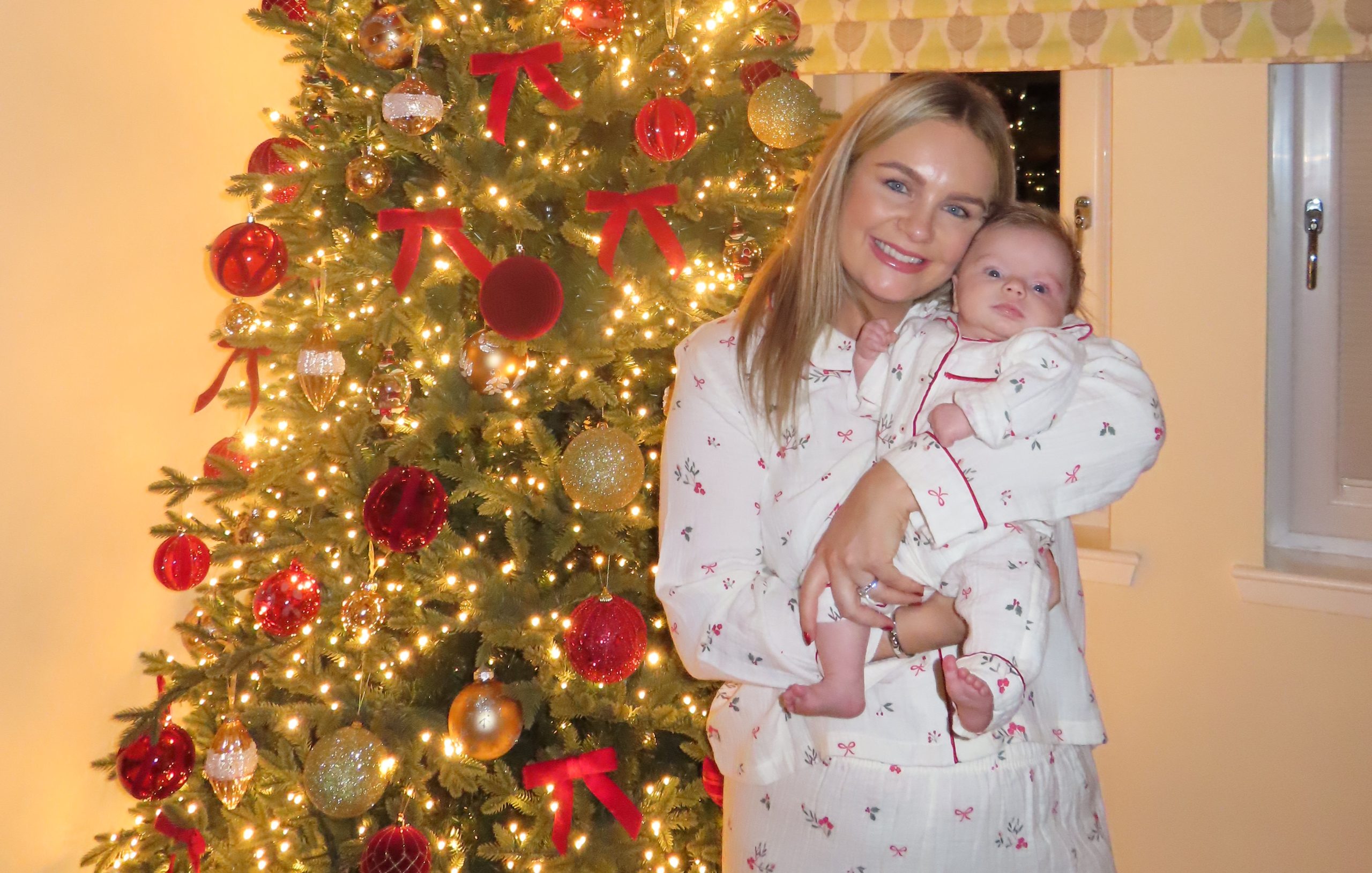
A new mum has shared her experience of developing life-threatening sepsis during pregnancy after doctors at the Royal Alexandra Maternity Hospital in Paisley carried out emergency surgery to save her and her baby.
Jenna, 32, was 35 weeks and four days pregnant when she began suffering severe stomach pain after her baby shower on 20th September 2025. She initially thought she was exhausted from the celebrations but her condition quickly worsened.
She contacted the maternity triage team at the Royal Alexandra Maternity Hospital and was asked to come in for checks after developing increasing pain across her stomach.
After being admitted for monitoring, Jenna’s condition deteriorated rapidly the following day. She began shaking, vomiting and her heart rate rose to 160 beats per minute. Doctors also became concerned after her unborn daughter Mollie’s heart rate increased and she stopped moving as normal.
Tests showed Jenna had developed sepsis caused by appendicitis. A CT scan confirmed her appendix was close to rupturing and doctors decided emergency surgery was needed.
Because of the position of her appendix during pregnancy, surgeons first had to deliver Mollie by emergency caesarean section before removing Jenna’s appendix and treating the infection. The operations were carried out under general anaesthetic by two surgical teams.
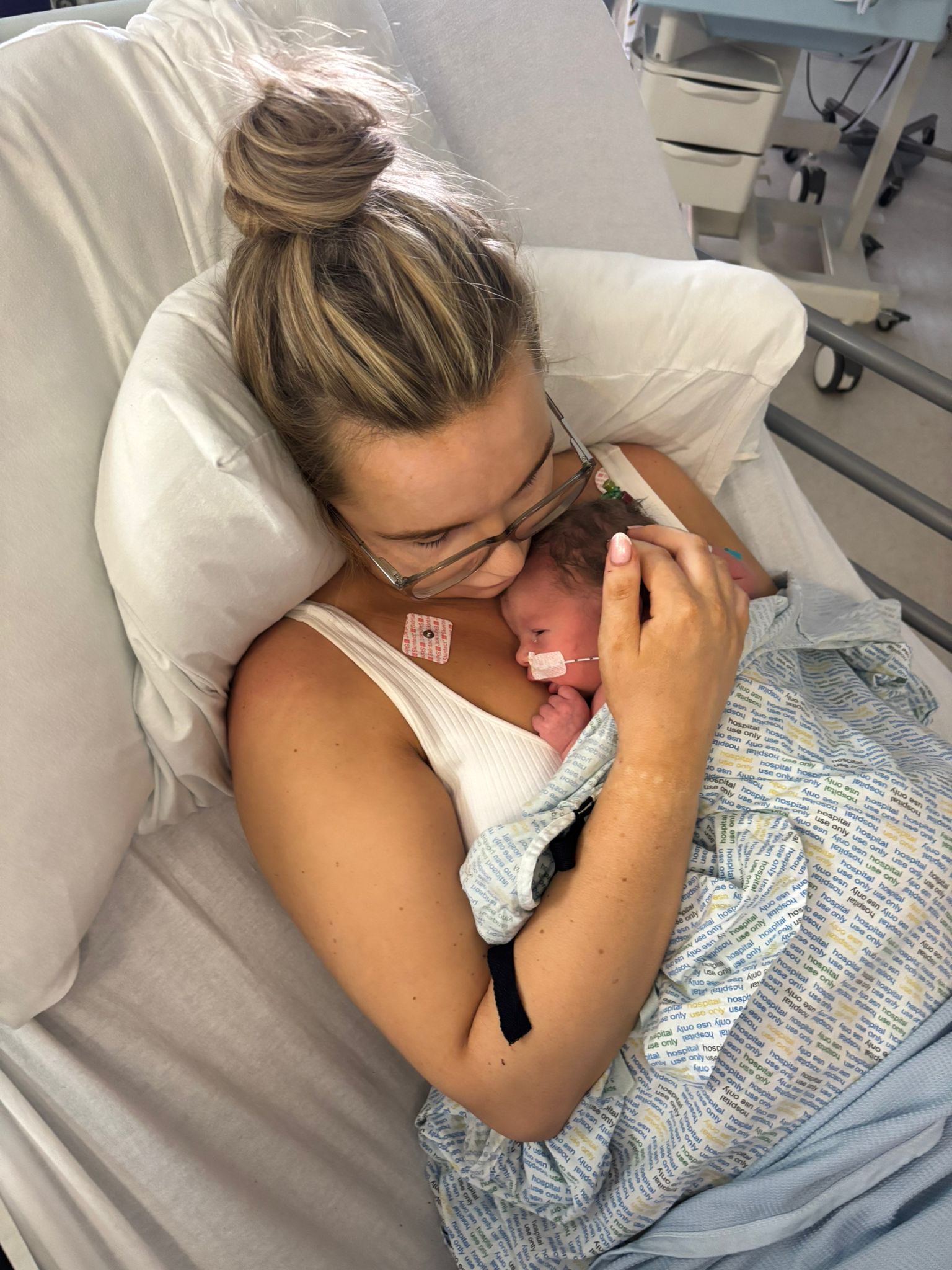
Photo: Jenna with baby Mollie
Photo Credit: Sepsis Research FEAT
Mollie was born at 9.47pm on 22nd September, but Jenna did not meet her daughter until 11am the following morning because she was recovering from surgery while Mollie received care in the neonatal intensive care unit.
Jenna later spent around three weeks going in and out of hospital after developing an infection in her surgical wound while recovering and caring for her newborn daughter.
She praised the staff who cared for her.
“The team at the Royal Alexandra Maternity Hospital in Paisley truly saved our lives. I will never be able to thank them enough. Even during the most frightening moments they made me feel safe and cared for.”
Looking back on her experience, Jenna said she wanted others to trust their instincts and seek help if they felt unwell.
She said: “My biggest message would be to always listen to your body and trust your instincts. If something doesn’t feel right, seek help and don’t ever worry about ‘wasting anyone’s time’. No question is a silly one when it comes to your health. You know your body better than anyone else and acting quickly can save lives.”
Jenna is sharing her story through Sepsis Research FEAT to raise awareness of maternal sepsis. The charity says recognising the signs early and getting medical help quickly can save lives.
Dr Andrew Conway Morris, Medical Director of Sepsis Research FEAT, said: “Pregnant and recently-pregnant women are at increased risk of infections. Whilst most of these will be self-limiting, it is vital that people can recognise the signs and symptoms of sepsis in case this develops.
“Women and their families should never be afraid to ask the question ‘could this be sepsis?’ and seek urgent medical attention if they become unwell.”
What is maternal sepsis?
Sepsis is the body’s life-threatening reaction to an infection. Maternal sepsis can develop during pregnancy, childbirth, following miscarriage or abortion, or in the weeks after birth.
Pregnant and recently pregnant women are at increased risk of infections. While most infections will be mild and self-limiting, some can rapidly progress to sepsis if not recognised and treated quickly.
Maternal sepsis remains one of the leading direct causes of maternal death worldwide. The latest MBRRACE-UK report, published in 2025, found that sepsis continues to be a major cause of maternal deaths in the UK. Delays in recognising a patient’s condition worsening and starting treatment remain common themes in preventable deaths.
In the UK, maternal sepsis carries an estimated mortality rate of around 10%. This highlights the importance of awareness, early diagnosis and rapid treatment.
Sepsis can progress quickly, even in otherwise healthy adults. Recognising the symptoms early and seeking urgent medical attention can save lives.
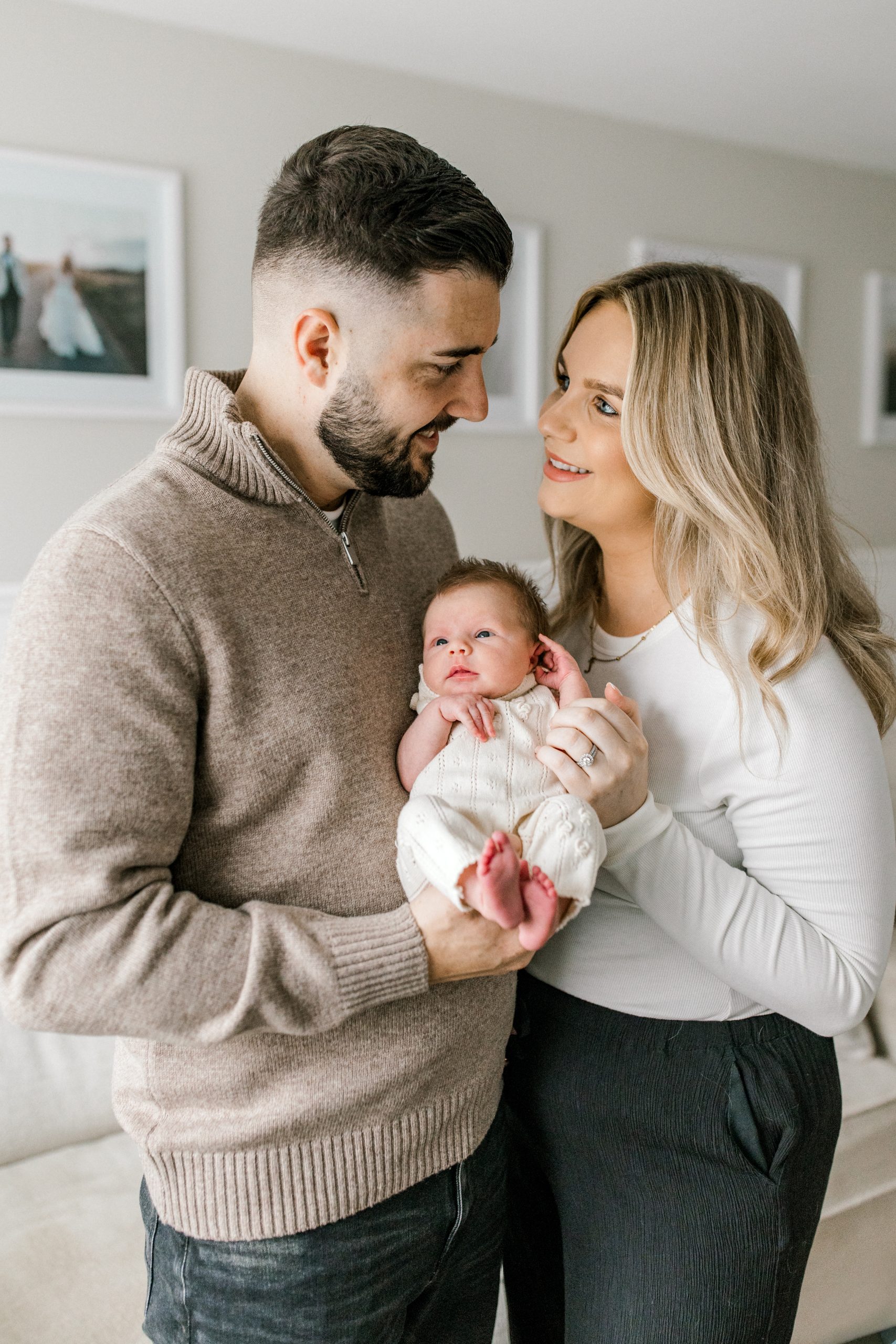
Photo: Pete, Jenna and her daughter Mollie after Jenna recovered from life-threatening maternal sepsis. Jenna is sharing her story to raise awareness of the condition
Photo Credit: Sepsis Research FEAT
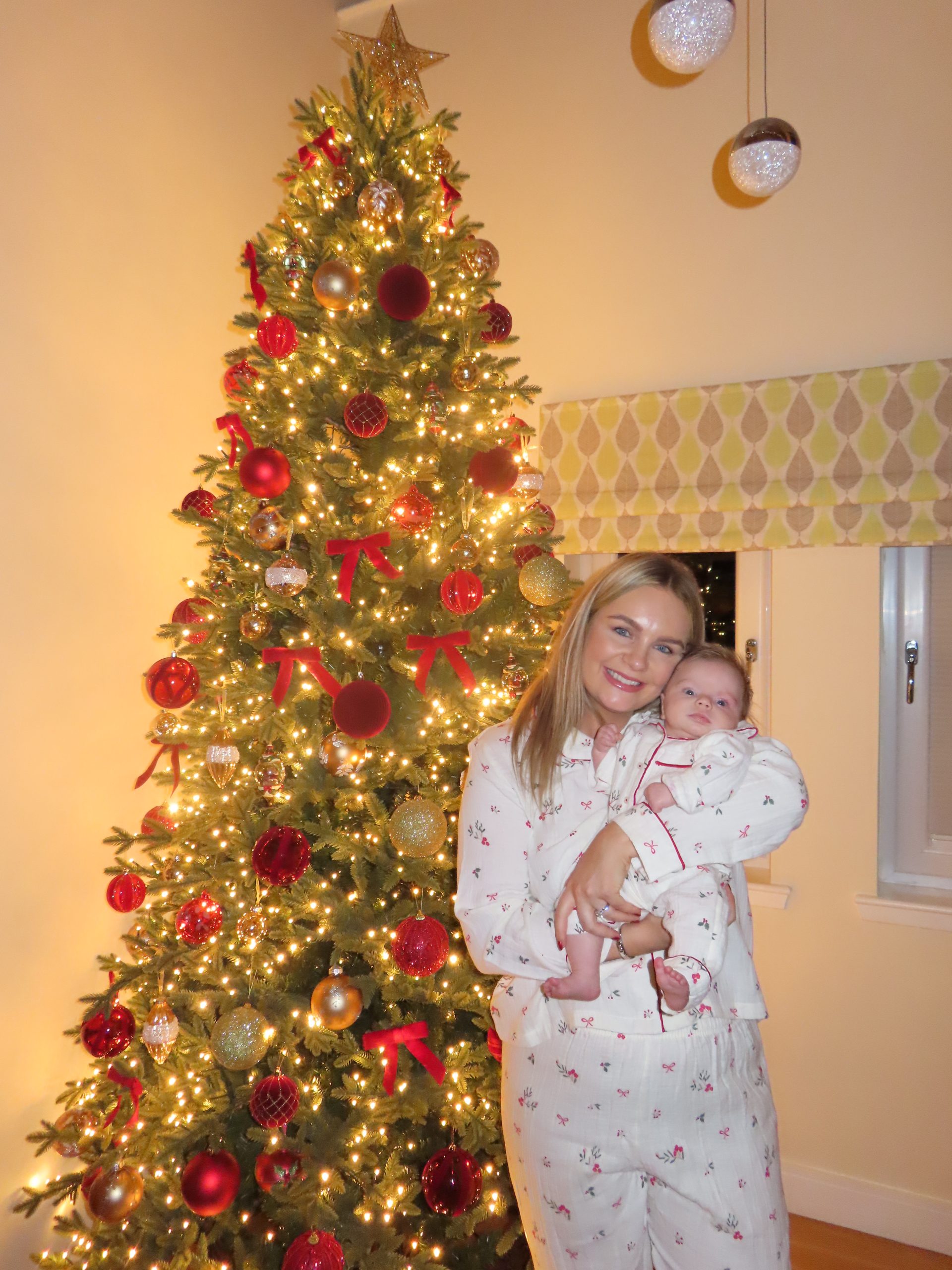
Photo: Jenna with baby Mollie at Christmas following her recovery from maternal sepsis
Photo Credit: Sepsis Research FEAT
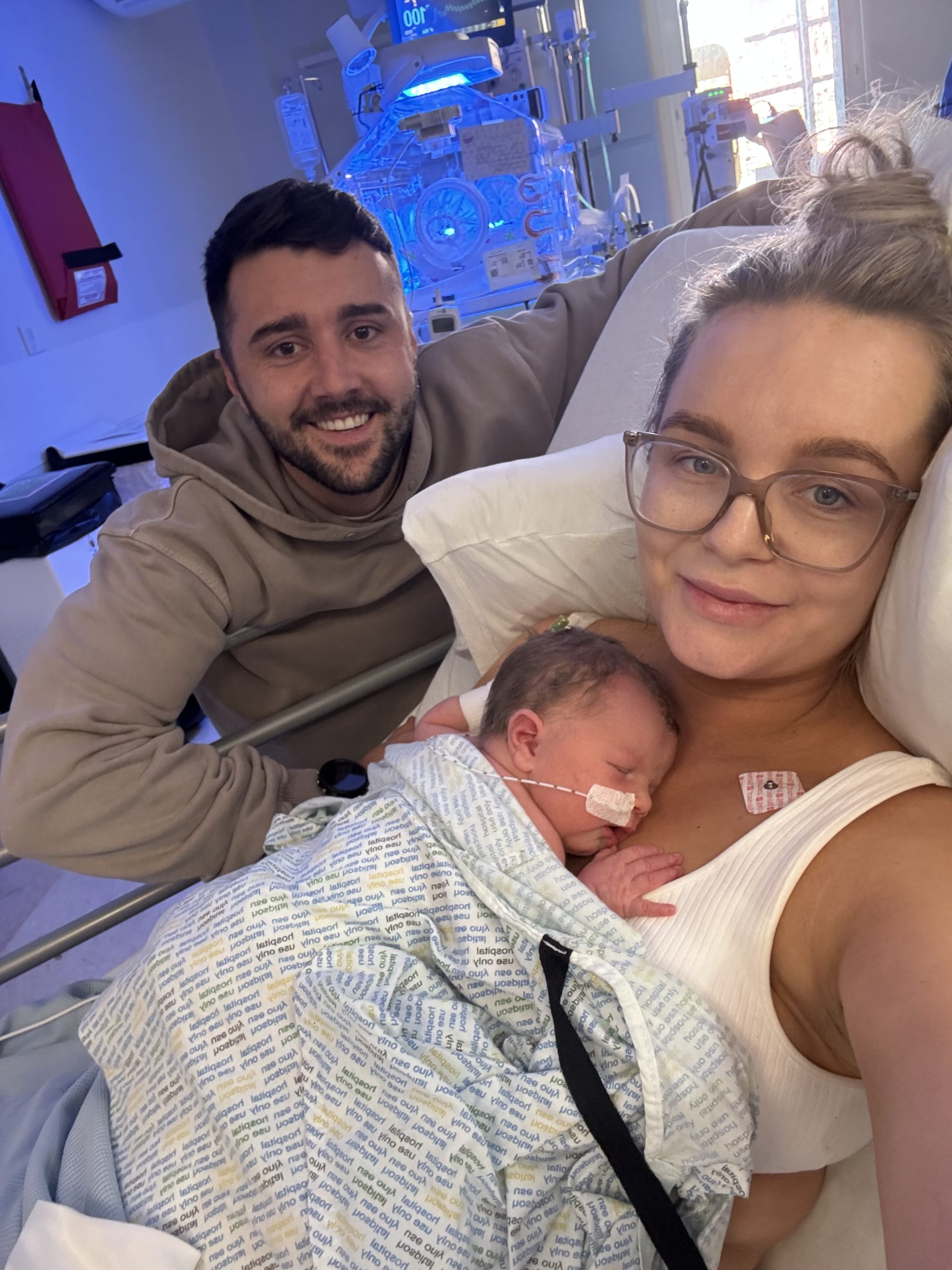
Photo: Jenna, Pete and baby Mollie after Jenna’s recovery from maternal sepsis
Photo Credit: Sepsis Research FEAT

Photo: Jenna at her baby shower before she became seriously ill with maternal sepsis
Photo Credit: Sepsis Research FEAT