


As the weather improves and more people spend time outdoors, NHS 24 is reminding the public to be aware of ticks and to check for bites after outdoor activities.
Ticks are small, spider-like creatures found in areas such as long grass, shrubbery and woodland, particularly where wildlife or livestock are present. While they are most common between March and October, they can still be active at other times of the year, especially following mild weather.
Dr John McAnaw, Associate Clinical Director at NHS 24, said: “Ticks are a normal part of the outdoor environment and most bites are harmless, but it’s important to take simple precautions and check your skin after spending time outdoors. People enjoying activities such as walking, camping or gardening may be more likely to encounter ticks, as well as children and pets.”
NHS 24 advises people to take a few simple steps to reduce the risk of tick bites:
- Wear long sleeves and trousers, with socks pulled over trouser legs where possible
- Stay on clear paths and avoid walking through long grass or dense undergrowth
- Wear light-coloured clothing to make ticks easier to spot
- Use insect repellent on exposed skin when appropriate
- Check your skin and clothing for ticks after being outdoors
- Check children carefully, particularly around the head, neck and scalp
- Check pets regularly so ticks are not brought into the home
Dr McAnaw added: “If you find a tick attached to your skin, remove it with a tick removal tool, which are commonly found in pharmacies and outdoor stores, or fine-tipped tweezers. Grip the tick as close to the skin as possible and pull upwards steadily without twisting or crushing. Afterwards, wash the area with soap and water and apply antiseptic cream.”

Photo: Dr John McAnaw, Associate Clinical Director at NHS 24
Photo Credit: NHS24
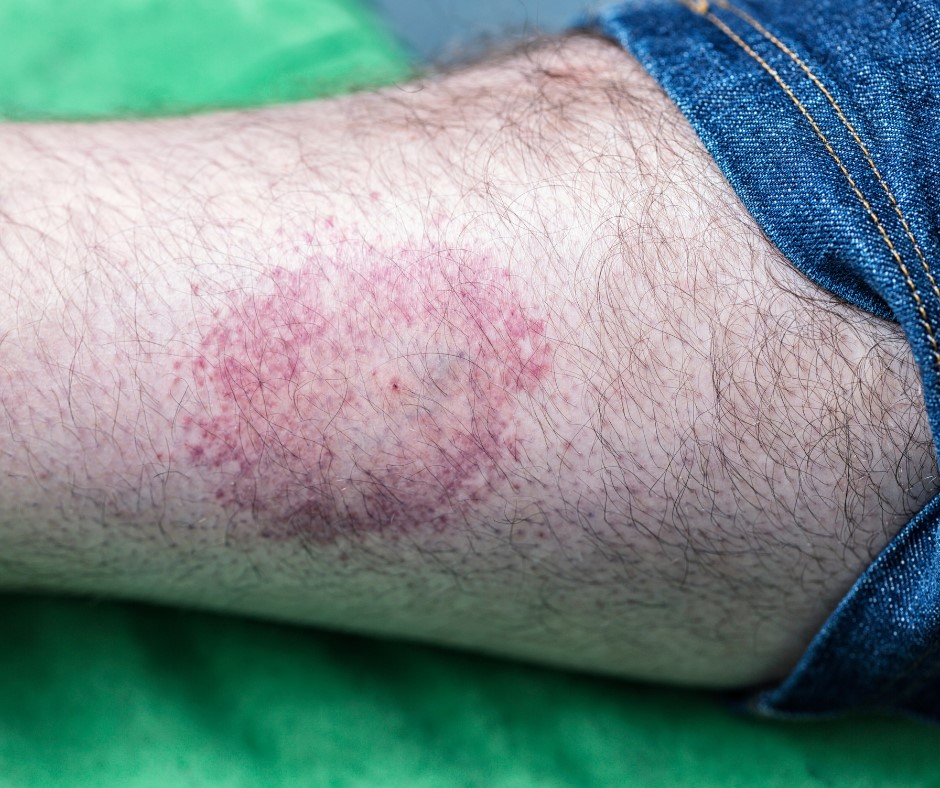
Tick bites are not usually painful, but a small red lump may develop and they can sometimes become itchy or swollen.
He added: “If you have a tick bite, you should remove it as soon as possible to reduce the risk of tick-borne infections like Lyme disease. If you notice a pink or red circular rash developing around the area of the bite, or you develop other symptoms such as tiredness, muscle or joint pain, headaches, fever, chills or stiffness in your neck, you should speak to your GP as soon as possible.”
More information on tick bites, including prevention, removal and symptoms to look out for, is available on the NHS inform website.