

Cannabidiol (CBD) could help reduce the stress experienced by fish being shipped for sale as part of the ornamental fish trade, new research has found.
Adding CBD to the transportation water of ornamental fish can improve fish welfare following shipment, according to a study led in partnership by the University of the West of Scotland and Mars Petcare’s leading science centre, the Waltham Petcare Science Institute.
In experiments involving variatus platys, a popular aquarium fish, researchers found that fish transported in water infused with CBD showed a reduction in stress-related behaviours, including biting, chasing and erratic swimming.
The ornamental fish trade is a multi-billion-pound global industry involving more than 125 countries and the transportation of over one billion fish each year. Fish are commonly sold for use in home aquariums and decorative tanks or ponds, often far from their place of origin.
Stress caused during transport can weaken fish immune responses and increase the risk of disease, while anxiety-related behaviours can lead to physical injury. These issues frequently result in fish requiring quarantine and treatment before they can be sold.
The study found that water containing CBD — a natural compound known for reducing anxiety, inflammation and pain — produced a calming effect, potentially by modulating neural pathways linked to fear. Importantly, no detrimental impact was observed on the protective mucus layer that covers fish skin.
Researchers say the findings highlight the potential for CBD to be incorporated into commercial water conditioners to reduce transport-related stress, offering a significant welfare benefit to the industry.
Leading UWS’s involvement in ornamental fish welfare, Professor Katherine Sloman said: “Improving the welfare of fish transported internationally is important both ethically and economically. Within the ornamental fish trade, transport-induced stress can lead to erratic or aggressive behaviour, which may increase anxiety levels and result in physical damage.
“Our research shows that relatively small changes to transport practices, such as adding CBD to commercial water conditioners, could transform the industry and help safeguard the wellbeing of countless fish.”
Dr Donna Snellgrove, Fish Research Manager at the Waltham Petcare Science Institute, added: “Improving fish welfare during transport by minimising stress is essential to maintaining health within the trade. We are proud to help establish scientifically supported solutions that can make a difference to such a large number of fish.”
The research also supports the United Nations Sustainable Development Goals, particularly Goal 14, Life Below Water, and Goal 17, Partnerships for the Goals.
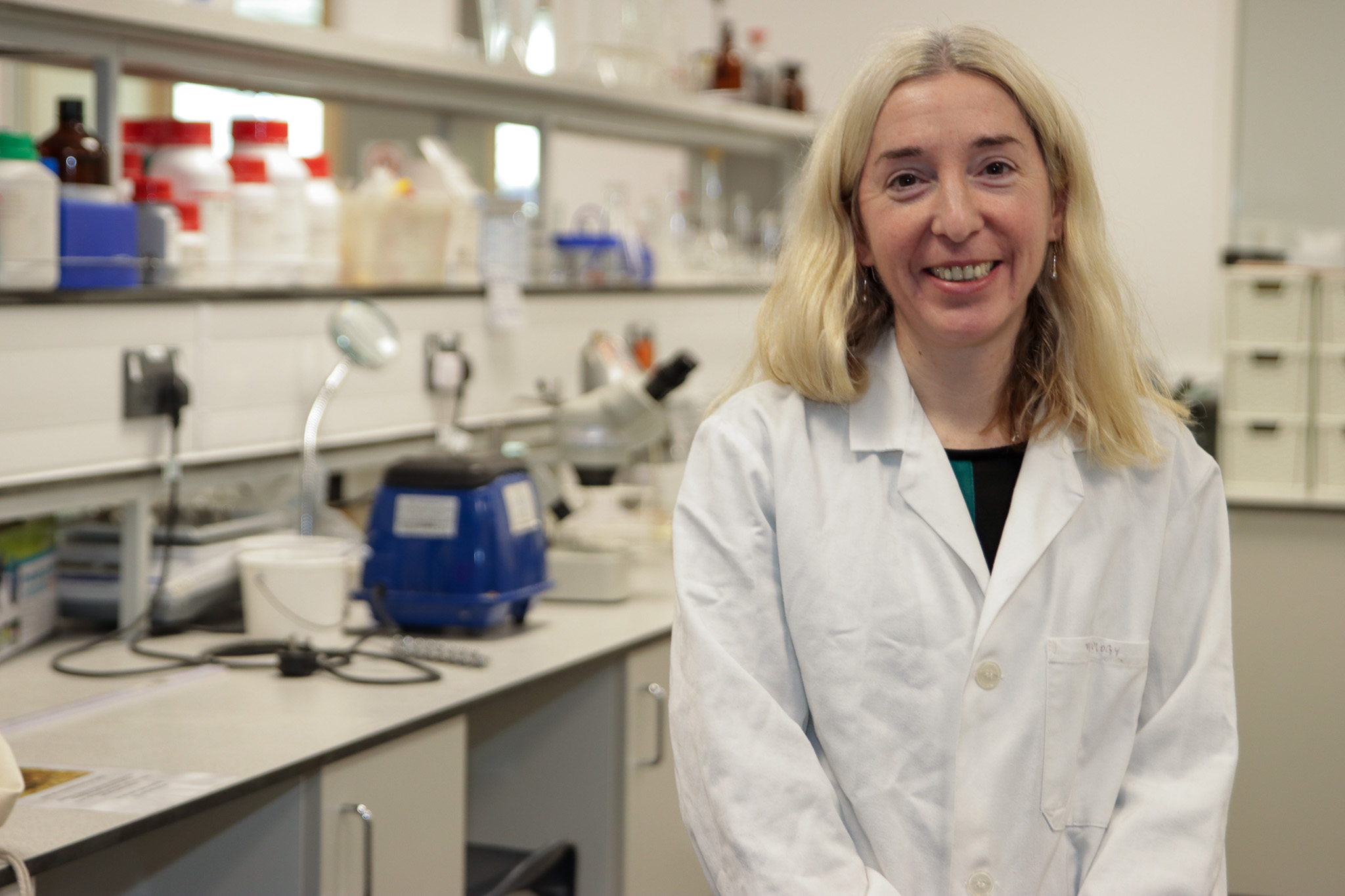
Headline photo: Professor Katherine Sloman